
How to Build an Esports Practice Schedule for an Amateur Team
A weekly plan, clear roles and health habits that keep a volunteer esports roster together for a whole season.
An esports practice schedule for an amateur team should fit around jobs and classes. Plan two scrim nights, one drill session, one review block and two full rest days each week. Keep sessions under two hours, assign roles before adding hours, and protect sleep, wrists and eyes so the roster survives the season.
This guide is for captains, club organizers and players who run a team without a coach or a budget. It covers a weekly plan, roles, hours, health and match review. Fanboy Theatre covers sports and fan culture, and the same lesson shows up in every league: the team that shows up rested and organized beats the team that grinds the longest.
Why an Amateur Esports Team Needs an Esports Practice Schedule
Competitive gaming has always had an amateur layer. Wikipedia's esports entry notes that multiplayer competition was largely amateur until the late 2000s and early 2010s, when streaming platforms such as YouTube and Twitch pulled in professional players and large audiences. That history matters because most teams today still start the same way: five friends and a group chat.
Without a schedule, practice drifts. Someone is late, someone is on another game, and the team plays whatever is open. A fixed weekly plan removes the daily argument about when to play.
A schedule also gives you something to measure. After a month you can compare results against the plan and see what changed. Without one, every loss feels random.
Start With a Weekly Block Plan
Build the week from blocks, not hours. Each block has one job: scrims test the team against real opponents, drills fix one habit, and review turns results into decisions. The table below shows a plan that fits a team where everyone has a day job or classes.
| Day | Block | Length |
|---|---|---|
| Monday | Review one recorded match | 60 minutes |
| Tuesday | Scrims against another team | 2 hours |
| Wednesday | Rest day | None |
| Thursday | Drills on one weak habit | 90 minutes |
| Friday | Scrims against another team | 2 hours |
| Saturday | Match day or open play | Flexible |
| Sunday | Rest day | None |
That adds up to about eight hours of team time, which is realistic for people with other commitments. Treat the rest days as part of the plan. The U.S. Department of Health and Human Services publishes the Physical Activity Guidelines for Americans, and a rest day is a good day to take a walk or lift weights away from the screen.
Pick the drill topic from the last review. If the team loses most rounds in the first 30 seconds, drill the opening. If it loses late, drill clock management.
Assign Roles Before You Add Hours
More practice does not fix a team that has no structure. Decide who calls strategy, who tracks the opponent and who keeps the schedule. One person can hold two jobs on a five-person roster.
A caller makes decisions during the match and a captain makes them between matches. A manager books scrims, posts the schedule and keeps the roster list. Name all three, even if the same player covers two.
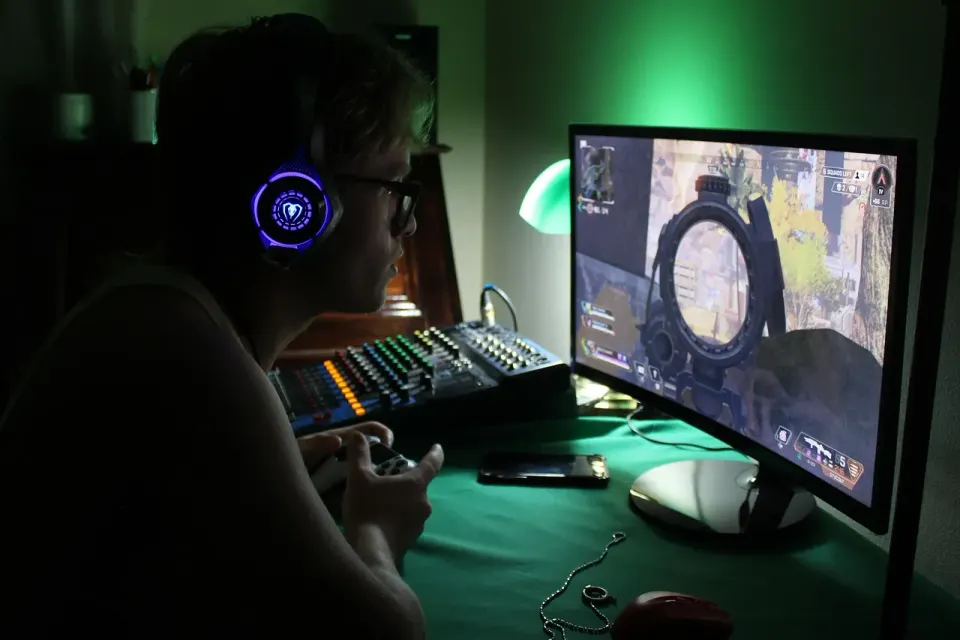
Agree on a call-out vocabulary for the maps and objectives in your game. A short shared list of names for locations and timings saves seconds in every round. Write it in a pinned message and update it after each scrim.
Add a substitute. A sixth player lets you keep the schedule when someone is sick or has an exam. It also gives every starter a reason to stay sharp.
How Many Hours Should an Amateur Esports Team Practice?
Most amateur teams do well with eight to ten hours a week, in sessions of no more than two hours. At Fanboy Theatre, we recommend that range, but it is an editorial view and not a research finding. Increase hours only when results plateau and everyone still has energy.
Sleep sets the ceiling. MedlinePlus, from the National Library of Medicine, says most adults need about 7 to 9 hours of sleep each night and that sleep quality matters as well as length. A late scrim that ends at midnight before a 7 a.m. shift costs more than it gives.
Schedule the hardest session earliest in the evening. End on time, even in the middle of a good run. A team that leaves wanting more shows up the next night.
How to Run a Scrim Night From Start to Finish
A scrim night works best with a fixed order. The steps below keep a two-hour session from sliding into a long argument about the first loss:
- Start with ten minutes of warm-up and a quick check on who is online.
- Play three or four matches against the same opponent so patterns show up.
- Take a five-minute break between matches to drink water and stand up.
- Pick one thing to fix after every match and write it down.
- End with a short debrief and confirm the next session.
Book scrim partners a week ahead. Ask teams at your level, not far above or below it. A lopsided scrim teaches the stronger team nothing and the weaker team to give up.
Keep a simple log of each opponent: what they play, how they open and who they target. That log pays off the second time you meet them. It also makes the weekly review faster.
Protect Wrists, Eyes and Posture
Gaming is repetitive work, and repetitive work has known risks. The Occupational Safety and Health Administration (OSHA) lists awkward body postures and repeating the same task over and over among the risk factors for musculoskeletal disorders. A gaming session has both.
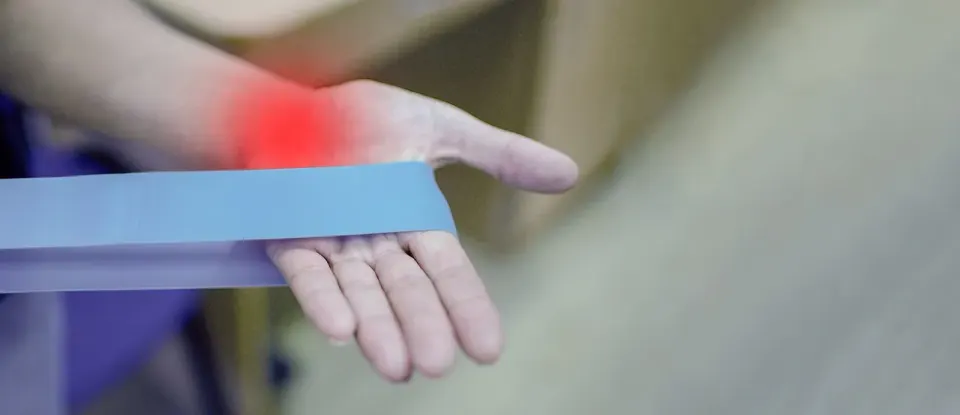
Set up your desk so the elbows stay near the body and the wrists stay straight. Put the monitor at eye level and keep your feet on the floor. Stand up and stretch for two minutes between matches.
Watch for early warning signs. The National Institute of Arthritis and Musculoskeletal and Skin Diseases (NIAMS) says carpal tunnel syndrome often starts with numbness or tingling in the thumb and the index and middle fingers, frequently at night. If that tingling shows up and stays, take a break and see a clinician.
This article gives general information and is not medical advice. A captain who enforces breaks protects the team as much as one who calls the best strategy.
Review Matches Without Starting Fights
Keep the review short and structured. Watch one match from the week, no more. Ask three questions: where did we lose control, what did we do well, and what is the one thing we change on Friday.
Speak about decisions, not people. "We rotated late on that round" is useful. "You were late" ends the meeting. The captain's job is to keep the language on the first track.
Write the answers in a shared document and open it at the start of the next drill session. Over a season, that file becomes the team's memory. New players can read it and learn how the team plays.
Rotate who leads the review each week. A player who runs the meeting has to watch the match closely and think about the whole team, not just their own screen. That habit builds future captains and spreads the workload.
Track two or three simple numbers across the season, such as win rate in scrims and the share of rounds lost in the opening. Numbers do not replace judgment. They show whether a drill worked, and they keep the debate honest when memory says one thing and the log says another.
Finish every review with an owner and a date for the one change. A fix with no name attached tends to disappear by Friday. A fix with a name is checked at the next scrim.
Common Mistakes That Break an Amateur Team
Most amateur teams do not fall apart over skill. They fall apart over habits. These are the problems that show up most often:
- Practicing every night until players burn out and quit.
- Skipping the review because the loss still stings.
- Changing the roster or the roles every week.
- Letting one player talk over everyone during rounds.
- Scheduling around the loudest player instead of the whole roster.
Each one has a plain fix. Cap the hours, keep the review short, set the roles for a full month and use one caller. Ask the quietest player for input first, because the quiet player often sees the problem.
Teams also stall when nobody owns the schedule. Pick a manager and give that person the final say on times. A decision made by a named person is faster than one made by group vote.
Conclusion
A good esports practice schedule is boring on purpose. It names the blocks, gives each player a role and protects sleep and health. Results follow because the team shows up ready.
Next step: copy the weekly table into your team chat, change the days to fit your jobs, and run it for four weeks. Review the results at the end of the month and adjust one thing.
How many hours a week should an amateur esports team practice?
What is a scrim in esports?
Does an amateur esports team need a coach?
How can gamers avoid wrist pain during long practice sessions?
Keep reading
Stay for the second half.
 Esports tournaments worth watching this season You do not need to play a game to enjoy watching it at the top level. These are the kinds of events that reward a newcomer, and how to pick one to start with.
 MLB's ABS Challenge System in 2026: 7 Things Year One Changed Robot umps didn't take over. A two-challenge system did something smarter, and fans noticed by April.
 Marathon Recovery Plan for 2026: What to Do After Race Day Your legs will feel fine long before they are. Here is a four-week plan that respects the difference.
The Friday letter
Your seat for the weekend, saved.
The week’s best stories, one hot take and the fixtures worth watching. Free, and never more than once a week.
Writers answer reader questions every Friday