MLB's ABS Challenge System in 2026: 7 Things Year One Changed
Robot umps didn't take over. A two-challenge system did something smarter, and fans noticed by April.
The ABS challenge system finished its first MLB season with 10,557 challenges and a 54% overturn rate. It kept human umpires behind the plate but let batters, pitchers and catchers appeal a call to Hawk-Eye cameras twice a game. The result was fewer blown calls, a new in-game strategy and a moment fans actually cheer.
Robot umpires were supposed to be the end of baseball as we knew it. Instead, the Automated Ball-Strike (ABS) challenge system turned out to be a small, sharp tool that changed how a game feels without changing who runs it. The plate umpire still calls every pitch. Players just get a limited chance to say he got one wrong.
This piece looks back at what year one of the ABS challenge system actually changed, from catchers to box scores to the cheap seats. Fanboy Theatre covers league rule changes from the fan's side of the rail, and this one earned a full review. It is written for fans who watched the rule arrive in March and want a straight read on whether it worked, now that a World Series between Milwaukee and Tampa Bay is deciding the 2026 title.
How Does the ABS Challenge System Work?
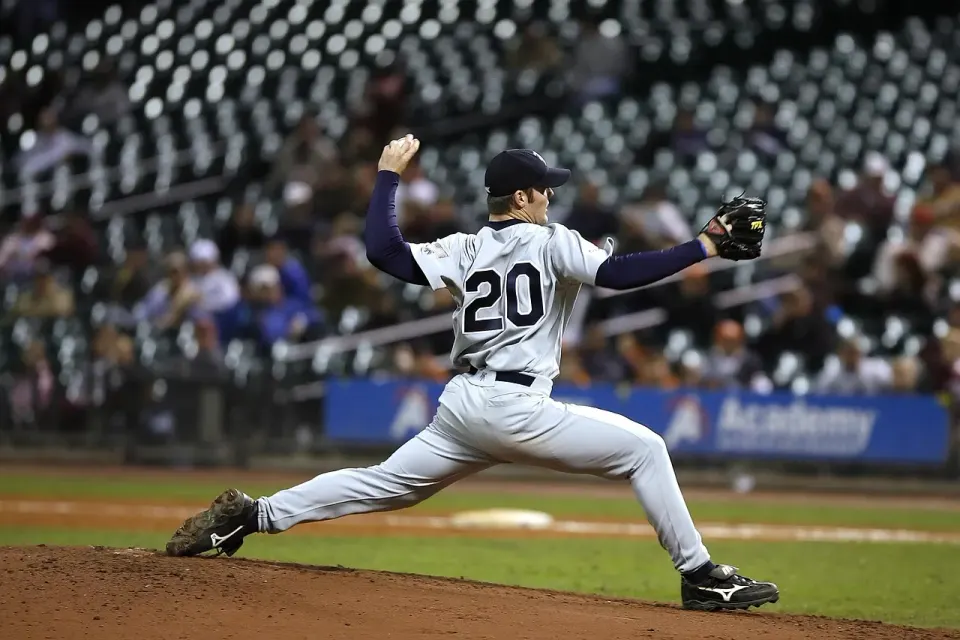
The ABS challenge system lets the batter, pitcher or catcher appeal a ball or strike call right after the pitch. Twelve Hawk-Eye cameras track the ball, and the review takes about 15 seconds. Each team starts with two challenges per game and keeps any challenge it wins. Managers and bench players cannot challenge.
The signal is simple. A batter taps his helmet, and the replay shows on the scoreboard with the pitch plotted against the zone. The first regular-season challenge belonged to the Yankees' José Caballero, who appealed a first-pitch strike from Logan Webb. According to MLB.com's running list of ABS firsts, the call on the field stood.
MLB did not invent this overnight. The league tested automated zones in the minor leagues for several seasons before bringing the challenge version to the majors in 2026.
That first upheld call set the tone for the season. The ABS challenge system is not a robot umpire. It is a referee you can only call twice.
7 Things the ABS Challenge System Changed on the Field
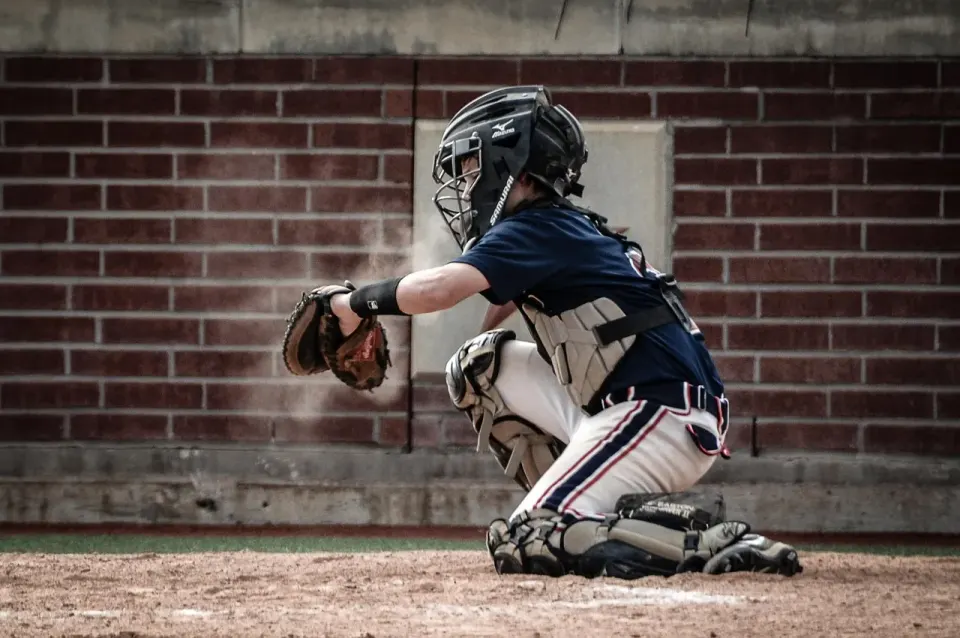
The changes below are listed in the order fans noticed them, starting with the people squatting behind the plate.
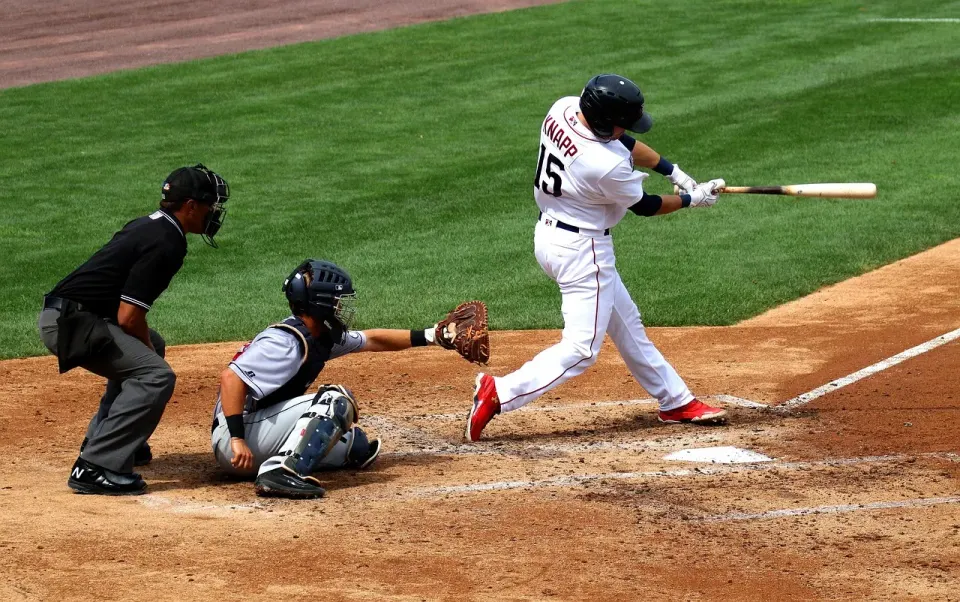
- Catchers became the best judges in the park. Catchers see the pitch arrive from inches away, and it showed fast. On opening weekend, catchers made 92 of the 175 challenges and won 64% of them, per TSN's report on MLB's first ABS numbers. Batters won just 42% of their 78.
- Two challenges became a real resource. Because a team keeps a challenge it wins, a good catcher can protect the supply all night. A bad challenge in the second inning can leave a team helpless in the ninth.
- Full counts got more dramatic. A 3-2 pitch now has a second life. Ball four can flip into strike three in about 15 seconds.
- The season-long overturn rate held steady. The 54% rate from opening weekend barely moved. A season wrap-up from Roundtable, using MLB's ABS dashboard figures, counted 5,686 overturned calls on 10,557 regular-season challenges.
That last number is the one to remember. Players were right a little more than half the time. That is good enough to matter and bad enough that nobody challenges every close pitch.
What the ABS Challenge System Changed for Fans in the Stands
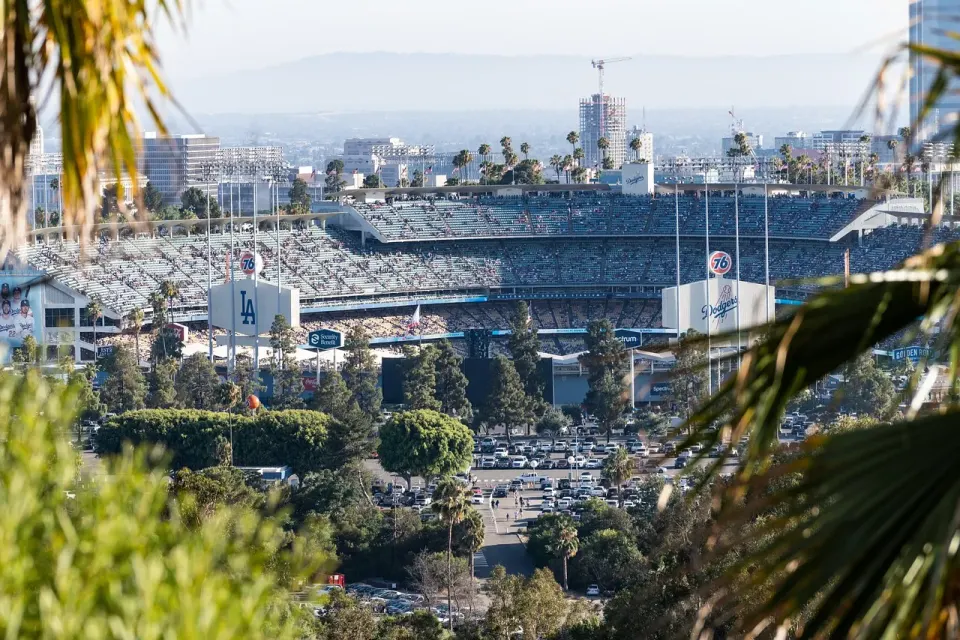
The biggest surprise of 2026 was how much fans liked the challenge itself. The next three changes happened off the field, in the seats and on the screen.
- The helmet tap became a crowd moment. A challenge gives a full ballpark a reason to stand up, look at the video board and react together. It plays like a free throw in a close game: short, tense and over before anyone sits down.
- The postseason got its own ABS highlights. On September 29, Atlanta's Ozzie Albies made the first postseason challenge on a called strike that was 2.5 inches out of the zone. He walked and scored the tying run. A day later, Phillies catcher J.T. Realmuto won a challenge on an 0-2 pitch in the 10th to end Game 2 of the NL Wild Card Series, as MLB.com logged in its list of firsts.
- Umpire scorecards went mainstream. Fans now compare plate umpires the way they compare closers. Accuracy figures from UmpScorecards, cited in the Roundtable wrap-up, put veteran C.B. Bucknor at 91.33% for 2026 and Jen Pawol at 91.8%.
The data side keeps growing too. MLB's own Baseball Savant ABS dashboard splits challenges by inning, count and runners on base. That is a lot of new ammunition for bar arguments.
At Fanboy Theatre, we think the fan reaction is the real story of the year. Few rule changes win over the cheap seats this quickly. The pitch clock took a full season of grumbling. The challenge system was a hit by April.
What the ABS Challenge System Means for Umpires
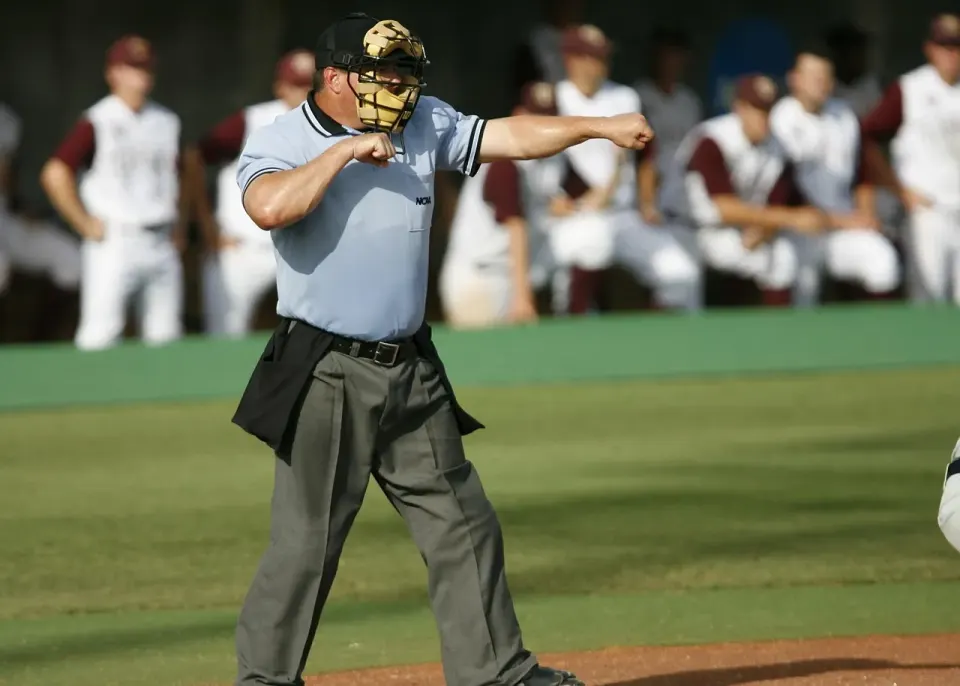
Umpires kept their jobs, and the ABS challenge system was built that way on purpose. Full automation would have removed the plate umpire's call entirely. The challenge model keeps a person in charge and fixes only the misses players care enough to appeal.
That matters well beyond the major league crews. The Bureau of Labor Statistics (BLS) Occupational Outlook Handbook counts about 18,200 umpires, referees and other sports officials in the U.S. as of 2025. The BLS puts their median pay at $40,710 as of May 2025 and projects 5% job growth through 2035. The handbook already notes that officials in some sports use video replay to help make the correct call.
Officials are also a bigger workforce than the athletes they judge. A BLS Economics Daily look at sports jobs counted 20,400 officials and 14,000 athletes and sports competitors in 2022. The median official earned $36,010 that year, against $94,270 for athletes. Most of those officials work high school, college and amateur games, where a camera system like ABS is not coming anytime soon.
The table below sums up how a close pitch plays out under the old system and the new one.
| Situation | Before ABS | With the ABS challenge system |
|---|---|---|
| Missed call on a full count | Call stands, argument gets you ejected | Catcher or batter can appeal in seconds |
| Who decides the zone | Each umpire's own eye | Umpire first, cameras on appeal |
| Time cost of a review | None, but long arguments | About 15 seconds per challenge |
| Fan view of the call | Broadcast graphic at home only | Replay on the ballpark video board |
| Umpire accountability | Private league grading | Public scorecards and overturn counts |
Where the ABS Challenge System Still Falls Short
The system is not perfect, and fans should be honest about that. Many overturns hinge on tiny margins. In the AL Wild Card Series, the Yankees' Amed Rosario won a walk on a pitch that missed by 1.8 inches. That is correct, but it can feel strange to see a season swing on less than two inches.
There is also a fairness question. Catchers win challenges far more often than batters, which tilts the tool toward the defense. A team with a great framing catcher now gets two edges: stolen strikes on the field and smart appeals on the close ones.
Timing is the other trap. A team that burns both challenges by the fifth inning has nothing left when a 3-2 pitch decides the game. We've seen clubs treat the challenge like a tantrum button after a bad call, and that habit costs them late. The smart teams let the catcher decide and keep the batters quiet unless the miss is obvious.
The last gap is youth and amateur ball. Kids watching the World Series see a perfect replay of every pitch. Then they play on Saturday in front of a volunteer umpire with no cameras. Leagues at every level will need to teach players that the human call is still the call.
Any team chasing an edge should think about challenges the way serious amateur clubs think about practice time. Our guide on building a practice schedule for an amateur esports team makes the same point in a different sport: limited resources reward teams that plan how to spend them.
What Comes Next for ABS After the 2026 World Series
The ABS challenge system worked. It fixed about 5,700 wrong calls, cost roughly 15 seconds each time and gave fans a new reason to watch every borderline pitch. It also kept umpires in charge, which is why players and crowds accepted it so quickly.
The 2026 World Series is the final exam for year one. The Brewers won a franchise-record 103 games and the Rays won 98, according to MLB's World Series preview, and neither club has ever won a title. A single overturned pitch in a Game 7 on Halloween would be the perfect test of the rule.
For next season, watch three things: whether batters close the gap with catchers, whether MLB tweaks the zone again and whether minor league fans start asking for the same tool. If you want to sound smart at the ballpark in 2027, start tracking challenges by catcher. That is where the games are being won.
How many challenges does each MLB team get under the ABS system?
Who is allowed to challenge a ball or strike call in MLB?
How often were ABS challenges successful in the 2026 MLB season?
Did the ABS challenge system replace MLB umpires?
Keep reading
Stay for the second half.
 The case for a shorter regular season More games were supposed to mean more of what fans love. Instead we get rested stars, meaningless months and a calendar nobody can follow. Fewer fixtures would make every one of them count.
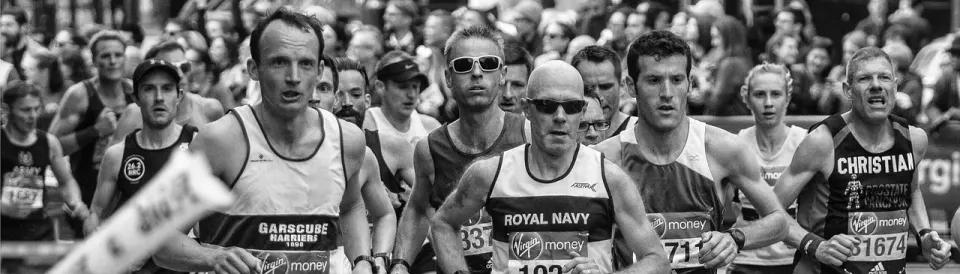 Marathon Recovery Plan for 2026: What to Do After Race Day Your legs will feel fine long before they are. Here is a four-week plan that respects the difference.
 How to Build an Esports Practice Schedule for an Amateur Team A weekly plan, clear roles and health habits that keep a volunteer esports roster together for a whole season.
The Friday letter
Your seat for the weekend, saved.
The week’s best stories, one hot take and the fixtures worth watching. Free, and never more than once a week.
Writers answer reader questions every Friday