
Marathon Recovery Plan for 2026: What to Do After Race Day
Your legs will feel fine long before they are. Here is a four-week plan that respects the difference.
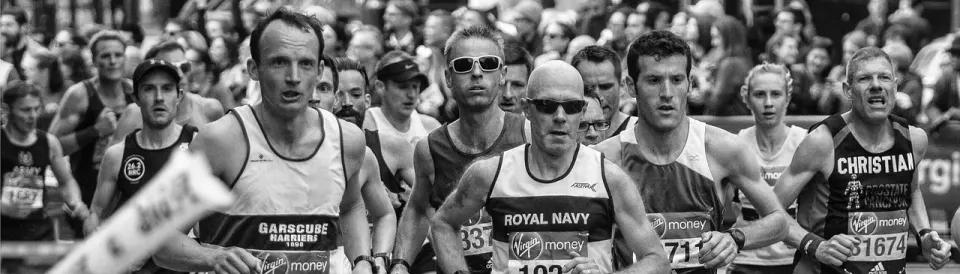
Marathon recovery takes about three to four weeks for most amateur runners. Spend the first week walking, eating and sleeping, with no running. Add short easy runs in week two, build back toward normal mileage in weeks three and four, and save hard workouts or races until your legs feel fully normal again.
On Sunday, November 1, tens of thousands of runners will cross five boroughs in the 2026 TCS New York City Marathon, the 50th anniversary of the five-borough course. Last year's race set an event record with 59,219 finishers, according to the Association of International Marathons and Distance Races (AIMS). A big share of those people will wake up Monday unable to walk down stairs forwards.
This guide is a week-by-week marathon recovery plan for amateur runners finishing New York or any other fall race. It covers what to do in the first 24 hours, how to handle the sore week, when to run again and which warning signs mean a doctor, not a foam roller. Fanboy Theatre covers training for everyday athletes, and this is the plan we would hand any first-timer at the finish line.
How Long Does Marathon Recovery Take?
Marathon recovery usually takes three to four weeks before an amateur runner should train hard again. Soreness fades in about three to five days. The deeper repair to muscles, tendons and the immune system takes longer. An old coaching rule says to allow one easy day for every mile raced, which lands right around 26 days.
That rule is rough, and plenty of runners feel ready sooner. Feeling ready is the trap. Your legs stop hurting long before the small tears in the muscle are fully healed, so the second week is when most comeback injuries happen.
Age, experience and how the race went all shift the timeline. A runner who cramped and walked the last six miles may recover faster than one who raced flat out to the line. A first-timer should lean toward the longer end of the range.
Marathon Recovery in the First 24 Hours
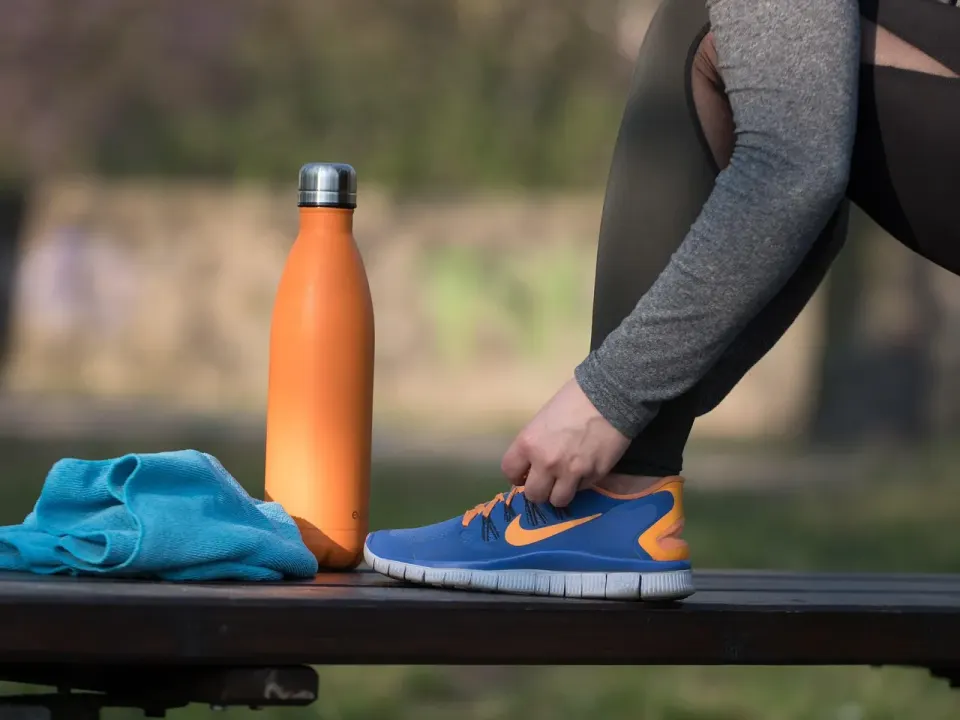
The first day sets up the whole marathon recovery, and the job is simple: keep moving gently, refill and rest. Here are the steps in the order they matter after you cross the line.
- Keep walking for 10 to 15 minutes. Stopping dead right after the finish lets blood pool in your legs. A slow walk through the finish area does more than collapsing on the curb.
- Drink, but not only water. MedlinePlus, the National Institutes of Health's consumer health site, advises people doing vigorous activity to drink electrolyte fluids such as sports drinks to keep blood sodium in a healthy range. Its page on low blood sodium lists the normal range as 136 to 144 mEq/L.
- Eat a real meal within a couple of hours. Carbohydrates refill your glycogen, and protein starts muscle repair. A bagel and chocolate milk in the recovery zone count as a start, not the whole job.
- Get warm and dry. November in New York can turn cold fast, and a sweaty runner chills quickly once the race is over.
- Sleep as long as your body asks. Most runners sleep badly the night of a marathon because their legs throb. Go to bed early anyway and plan a nap on Monday.
Skip the celebratory ice bath debate. A cool shower and elevating your legs for 20 minutes will do the job for most amateur finishers.
Days 2 to 7: Handling Soreness Without Running

The first full week of marathon recovery has one rule: no running. Walking, easy cycling and swimming are all fine. Sore quads and calves usually peak on day two or three, which is why the Tuesday after a marathon feels worse than Monday.
For the aches themselves, MedlinePlus's guide to muscle aches and home care recommends ice for the first 24 to 72 hours to ease pain and swelling. After that, heat may feel better. The same page says massage and gentle stretching can help overuse aches, and it advises avoiding high-impact activity while you are still in pain.
In our experience, a 20 to 30 minute walk every day this week beats lying on the couch. Movement keeps the legs from locking up. These are the low-impact options worth adding once walking feels normal:
- Easy spinning on a stationary bike with almost no resistance
- Pool walking or relaxed swimming
- Light mobility work for hips and ankles
- A sports massage after day three, not the day after the race
MedlinePlus also says to call a provider if muscle pain lasts more than three days or is severe and unexplained. Normal soreness should be clearly improving by Friday. If it is getting worse, that is a different problem.
Weeks 2 to 4: Rebuilding Your Running After a Marathon

The return to running should feel almost too easy. Start week two with two or three runs of 20 to 30 minutes at a pace where you could chat the whole time. No watch targets, no hills and no group runs that turn into races.
The table below shows a simple reverse taper. Adjust it if your race went badly or you are coming back from an injury.
| Week | Running | Other training | Goal |
|---|---|---|---|
| Week 1 | None | Daily walks, easy bike or swim | Let soreness clear |
| Week 2 | 2 to 3 easy runs, 20 to 30 minutes | One light strength session | Test the legs |
| Week 3 | 3 to 4 easy runs, up to 45 minutes | Two strength sessions | Rebuild routine |
| Week 4 | Normal easy mileage, a few strides | Two strength sessions | Ready for structure |
Strength work matters more than most runners admit. The Centers for Disease Control and Prevention (CDC) physical activity guidelines for adults call for muscle-strengthening work on at least two days a week, covering legs, hips, back, core, chest, shoulders and arms. Marathon training squeezes that out. Recovery weeks are the right time to bring it back with bodyweight squats, bridges and light lunges.
The same CDC guidelines set a baseline of 150 minutes of moderate activity or 75 minutes of vigorous activity each week. During weeks two and three, the CDC baseline is a sensible ceiling, not a floor. Treat the marathon as banked fitness and spend this month protecting it.
Planning recovery is a scheduling problem as much as a physical one. Our guide to building a practice schedule for an amateur esports team makes the same case in another sport: rest days only work when you put them on the calendar first.
Warning Signs That Are Not Normal Marathon Soreness
Most post-race pain is harmless, but two conditions deserve real attention. Both are rare, and both are more likely after a hot race or a runner who drank poorly.
The first is rhabdomyolysis, a breakdown of muscle tissue that releases proteins into the blood and can harm the kidneys. MedlinePlus's rhabdomyolysis overview names very intense exercise such as marathon running as one cause. The key sign is dark, red or cola-colored urine, often with less urine than usual and severe weakness. Early treatment lowers the risk of permanent kidney damage, so do not wait it out.
The second is hyponatremia, or low blood sodium. MedlinePlus lists confusion, headache, nausea, vomiting and muscle cramps as symptoms and calls severe cases a life-threatening emergency. Runners who drink large amounts of plain water and sweat heavily are the ones to watch.
The rule is simple. Sore legs that improve each day are normal. Pain that worsens, swelling in one spot, or any of the symptoms above means calling a doctor. A sharp pain in the shin or foot that hurts when you hop may be a stress fracture, and that also needs an exam.
Recovery Gear That Helps, and What to Skip

Recovery gear is a booming market, and most of it is optional. At Fanboy Theatre, we judge gear by how it holds up over a season, and that standard cuts the recovery list down fast.
These are the items worth owning, in order of value:
- Supportive slides or recovery sandals. They take pressure off sore feet in week one and cost less than most race entry fees.
- A basic foam roller. A plain one works as well as most vibrating models for light work after day three.
- A fresh pair of trainers. Many running stores suggest replacing shoes somewhere between 300 and 500 miles. A full marathon block often puts a pair past that range, so week two is a good time to check the midsole.
Skip expensive compression boots unless you already own them. They feel nice, but walking, sleep and time do the heavy lifting.
Your Next Step After Race Day
The best marathon recovery plan is boring on purpose. Walk and refuel for a week, return with short easy runs in week two and rebuild toward normal training by week four. Watch for dark urine, confusion or pain that gets worse, and call a doctor if any of them show up.
If you need something to do with your legs up this week, the World Series is a good place to start. Our look at what MLB's ABS challenge system changed in its first season will give you plenty to argue about from the couch. Then put a short, easy run on the calendar for next Monday and stick to it.
Fact-checked as of October 30, 2026 against MedlinePlus and CDC guidance. This article is general information, not medical advice.
How long should I wait to run after a marathon?
Is it normal to be this sore two days after a marathon?
What should I drink after running a marathon?
When does dark urine after a marathon mean I need a doctor?
Keep reading
Stay for the second half.
 How to build a preseason training block Six weeks is enough to arrive at the first game fit, not just keen. Here is how amateur players can build fitness in stages without turning August into an injury list.
 MLB's ABS Challenge System in 2026: 7 Things Year One Changed Robot umps didn't take over. A two-challenge system did something smarter, and fans noticed by April.
 How to Build an Esports Practice Schedule for an Amateur Team A weekly plan, clear roles and health habits that keep a volunteer esports roster together for a whole season.
The Friday letter
Your seat for the weekend, saved.
The week’s best stories, one hot take and the fixtures worth watching. Free, and never more than once a week.
Writers answer reader questions every Friday